



Corrosion is far more than just an aesthetic issue. It is an insidious chemical process capable of compromising even the most robust steel structures in a short time, leading to severe financial losses and, in extreme cases, structural failure. In today’s industrial landscape, anti-corrosion protection is no longer an optional extra—it is the vital foundation of professional manufacturing and metal maintenance.
The Mechanism of Corrosion – What actually happens to the metal?
Before selecting a protection method, we must understand the adversary. Corrosion is the spontaneous degradation of metals resulting from environmental reactions. The most common form, electrochemical corrosion, occurs under the influence of electrolytes (e.g., humid air, salt water).
During this process, galvanic microcells form on the metal surface. Iron oxidizes, creating ions which, combined with oxygen and water, form hydrated iron(III) oxide—commonly known as rust. Rust is inherently porous, meaning it provides no protection; instead, it facilitates further moisture penetration deep into the material’s structure.
Barrier Methods – Physical isolation from the environment
The most established method involves cutting off the supply of oxygen and water to the metal surface.
Lacquer and Paint Coatings
Modern anti-corrosive paints are advanced chemical composites. A professional industrial coating system typically consists of three layers:
- Primer (Base coat): Responsible for adhesion and contains corrosion inhibitors (e.g., zinc compounds).
- Intermediate layer: Increases coating thickness and ensures diffusion tightness (impermeability).
- Topcoat: Protects against UV radiation and mechanical stress, while delivering the final aesthetic finish (RAL palette).
Powder Coating
This process involves applying electrostatically charged powder particles to the metal. The component is then cured in an industrial oven (approx. 200°C), where the powder melts and polymerizes. The result is an exceptionally hard, impact-resistant, and chemically stable coating with superior aesthetic qualities.
Metallurgical Methods – Galvanization
Galvanization is the gold standard for long-term, maintenance-free protection (lasting up to 50 years).
| Method | Application | Main Advantage |
|---|---|---|
| Hot-dip galvanizing | Large structures, fences, exterior elements | Thick layer; protects hollow profiles internally |
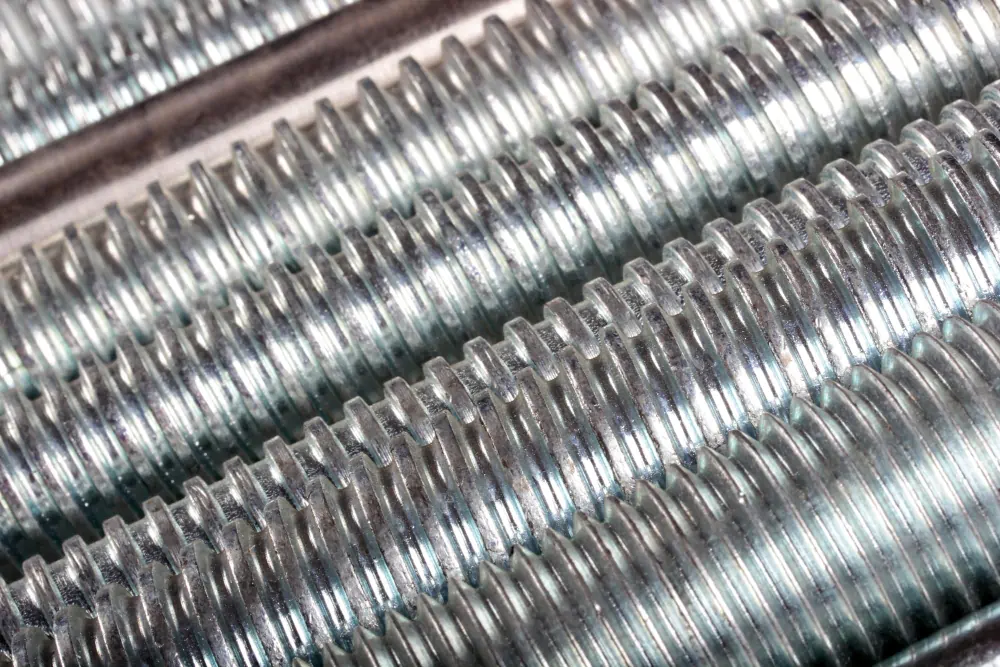
| Electro-galvanizing | Screws, small components, precision sheets | Perfectly smooth surface, high aesthetics |
| Thermal spraying | Repairs, very large-scale elements | No limits regarding element size |
Surface Preparation – The foundation of durability
The most advanced coatings will fail if applied to poorly prepared metal. In professional manufacturing, surface preparation is non-negotiable:
- Cleanliness Grade Sa 2.5: The highest industrial standard, achieved through professional sandblasting or shot blasting.
- Chemical Degreasing: Complete removal of technical oils and coolants remaining from cutting or bending processes.
- Phosphating: Creating a thin phosphate conversion coating, which drastically increases the adhesion of subsequent paint layers.
We also utilize Volatile Corrosion Inhibitors (VCI). These substances evaporate and deposit a protective molecular layer on the metal within sealed packaging—ideal for protecting parts during sea transport or long-term storage.
Environmental Specification (ISO 12944 Standard)
A professional design must account for the specific corrosivity category of the environment:
- C2 (Low): Interiors of unheated buildings, rural areas.
- C3 (Medium): Urban and industrial environments with moderate pollution.
- C5-M (Very High – Marine): Coastal and offshore areas with high salinity.
Summary
Effective corrosion protection is a sophisticated process that demands technical expertise and uncompromising reliability. The choice of method depends entirely on the product’s final application. At GMM INOX, we remember: it is always more cost-effective to prevent corrosion through thoughtful design and careful execution than to fight rust once it has already compromised the material’s integrity.

