

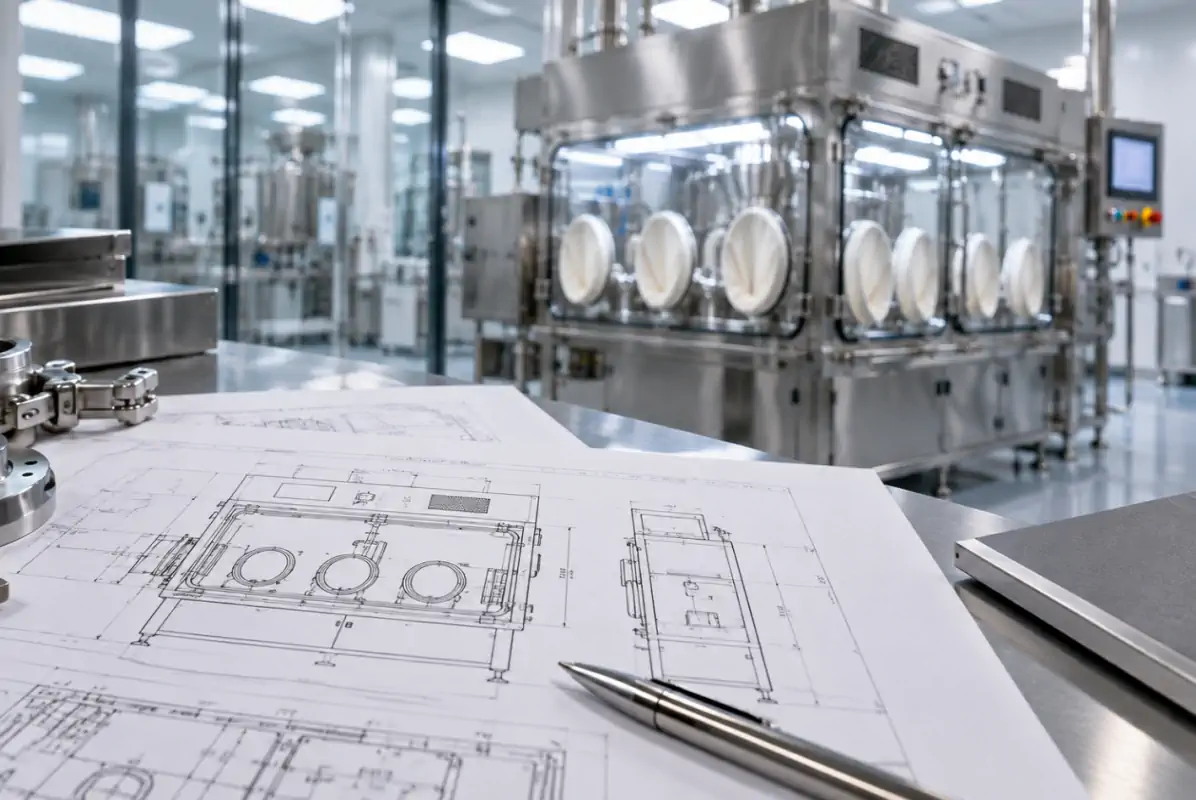


Manufacturing equipment for the pharmaceutical industry requires careful consideration of technical, material and quality requirements. A key factor is ensuring that individual components are manufactured in accordance with the technical documentation and the requirements specified for their intended application.
For pharmaceutical chambers, the quality of the structure and enclosure is an important part of the overall equipment manufacturing process. Dimensional accuracy, appropriate material processing and properly executed joints all contribute to ensuring that the manufactured components meet the project specifications.
GMP (Good Manufacturing Practice) is a set of principles designed to ensure quality in pharmaceutical manufacturing. GMP requirements apply to manufacturing processes and conditions, and their relevance to a particular piece of equipment depends on its intended function, application and design.
What does GMP mean in the context of pharmaceutical chambers? What should manufacturers consider when producing metal structures? And why is manufacturing in accordance with technical documentation so important?
What Are Pharmaceutical Chambers?
Pharmaceutical chambers are devices or structures used in environments where controlled working conditions, contamination risk reduction and the protection of products, operators or surrounding areas are important. Their function depends on the specific application and technological solution.
Depending on their intended use, examples may include:
- Process isolators
- Weighing and dispensing chambers
- Chambers used in laboratory operations
- Enclosures for equipment operating under controlled conditions
- Structures forming part of larger technological systems
Individual devices may differ in dimensions, construction, materials and the way they connect to other components. Their manufacture should therefore be based on technical documentation prepared for the specific design.
When manufacturing metal structures, it is essential to reproduce the supplied drawings accurately, maintain specified dimensions and manufacture the components in accordance with the agreed scope of work.
What Is GMP and Why Does It Matter in the Pharmaceutical Industry?
GMP stands for Good Manufacturing Practice. These principles are intended to help ensure consistent quality during the manufacture of medicinal products. They cover areas such as process control, documentation, risk management and the maintenance of appropriate manufacturing conditions.
Requirements for a particular facility, process or device must be assessed in the context of its function and the applicable regulations and guidelines. Not every device used in the pharmaceutical industry has identical technical requirements.
For pharmaceutical chambers, relevant considerations may include:
- The intended purpose and operating conditions of the equipment
- Material requirements
- The geometry and construction of individual components
- The cleanability of surfaces
- The quality and finish of joints
- Documentation and quality-control requirements
- Compliance with the approved technical design
It is important to distinguish between manufacturing metal components in accordance with technical documentation and demonstrating that the complete chamber complies with GMP requirements. Overall compliance depends on the equipment’s design, function, other components and the processes carried out by the manufacturer of the complete system and its end user.
Manufacturing Metal Structures and Enclosures for Pharmaceutical Chambers
The metal structure forms the physical part of the equipment and must meet the specifications defined in the technical documentation. Depending on the project, it may include sheet-metal components, structural parts, joints and other metal elements covered by the order.
During manufacturing, the priority is to ensure that the components match the supplied documentation. This involves preparing the material, producing the individual parts, processing them and joining them in accordance with the agreed manufacturing methods.
Important considerations may include:
- Dimensional accuracy
- Proper edge preparation
- Compliance with drawing geometry
- Correct execution of joints
- Surface quality in accordance with the specified requirements
- Inspection of manufactured components
- Traceability of requirements and production records, where specified in the order
The scope of work depends on the documentation, materials, manufacturing methods and the capabilities of the supplier. Pharmaceutical chambers may have very different structural designs, so it should not be assumed that all units are manufactured using one universal construction method.
Why Is Technical Documentation So Important?
Technical documentation provides the basis for manufacturing metal components for a specific device. It contains the information needed to prepare production, such as dimensions, shapes, component lists, material requirements and manufacturing instructions.
The more clearly the requirements are defined, the easier it is to plan production and verify that the finished components meet the specifications.
Before manufacturing begins, it is worth confirming the following:
- Scope of responsibility – which metal components are to be manufactured and which operations are included in the order.
- Material requirements – which material grade is specified in the documentation.
- Dimensional requirements – which tolerances and inspection criteria apply to individual components.
- Joint requirements – which joining methods and welding requirements are specified.
- Finishing requirements – which surface characteristics are required for the particular component.
- Inspection and quality documentation – which checks and records are included in the agreed manufacturing scope.
If the documentation requires clarification, any uncertainties should be resolved before the relevant manufacturing stage begins. Structural changes should be approved by the party responsible for the design rather than introduced independently by the component manufacturer.
Stainless Steel in Pharmaceutical Industry Structures
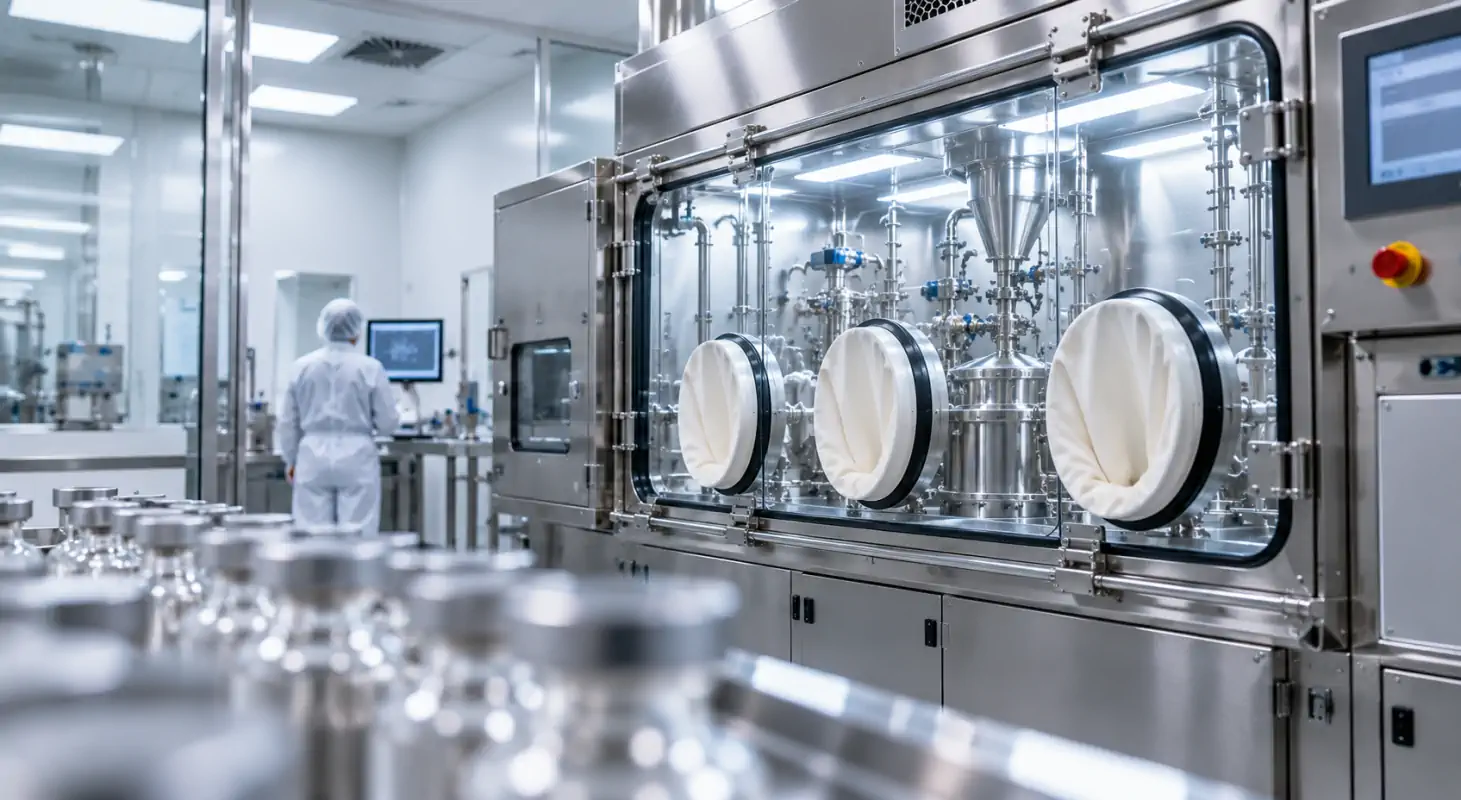
Stainless steel is used in a wide range of industrial equipment because of its properties, durability and corrosion resistance. However, the choice of a specific material grade should be based on the project requirements and the intended operating conditions.
There is no single grade of stainless steel that is suitable for every pharmaceutical chamber. Material properties, surface requirements and manufacturing methods must be considered in relation to the specific application.
When manufacturing stainless steel components, important considerations may include:
- Compliance with the specified material grade
- Proper preparation of components for further processing
- Reducing the risk of surface contamination
- Appropriate execution of joints
- Dimensional checks following manufacturing operations
- Achieving the surface finish specified in the documentation
Selecting suitable processing methods is also an important part of production. Depending on the component design and technical requirements, these methods may include laser cutting, bending and welding.
Learn more about GMM INOX’s manufacturing capabilities and services on the GMM INOX services page.
Laser Cutting for Pharmaceutical Chamber Components
Laser cutting enables sheet-metal components to be produced accurately in accordance with technical documentation. The process is used to manufacture parts such as enclosures, covers and structural components for industrial equipment.
The dimensional accuracy of cut parts affects subsequent production stages, including bending, component fitting and welding. Dimensional deviations can complicate assembly and lead to additional processing.
For components intended for pharmaceutical chambers, the cutting process should meet the requirements specified in the documentation, and the finished parts should be inspected according to the agreed scope.
GMM INOX provides laser cutting and metal fabrication services, manufacturing components in accordance with customer-supplied technical documentation. The available scope depends on the geometry of the parts, material type and the requirements of each order.
Welding Metal Structures – Quality and Compliance with Technical Drawings
Welding is one of the processes used to manufacture stainless steel structures and enclosures. Its role depends on the component design, the type of joint and the requirements specified in the technical documentation.
For industrial structures, important considerations include correct component preparation, selecting an appropriate manufacturing method for the material and maintaining the required geometry.
The quality of the finished component may be affected by:
- Material type and thickness
- Edge preparation
- Joint design
- Welding parameters
- Control of distortion
- Weld finishing methods
- Inspection requirements
Detailed acceptance criteria should be defined in the technical documentation and agreed for each order. There is no single set of requirements that can automatically be applied to every metal structure used in the pharmaceutical industry.
It is therefore important to combine an appropriate manufacturing process with checks confirming that the components meet the specified requirements. You can find more information about GMM INOX’s capabilities on the services page.
Metal Structures vs. Filtration, Automation and Equipment Qualification
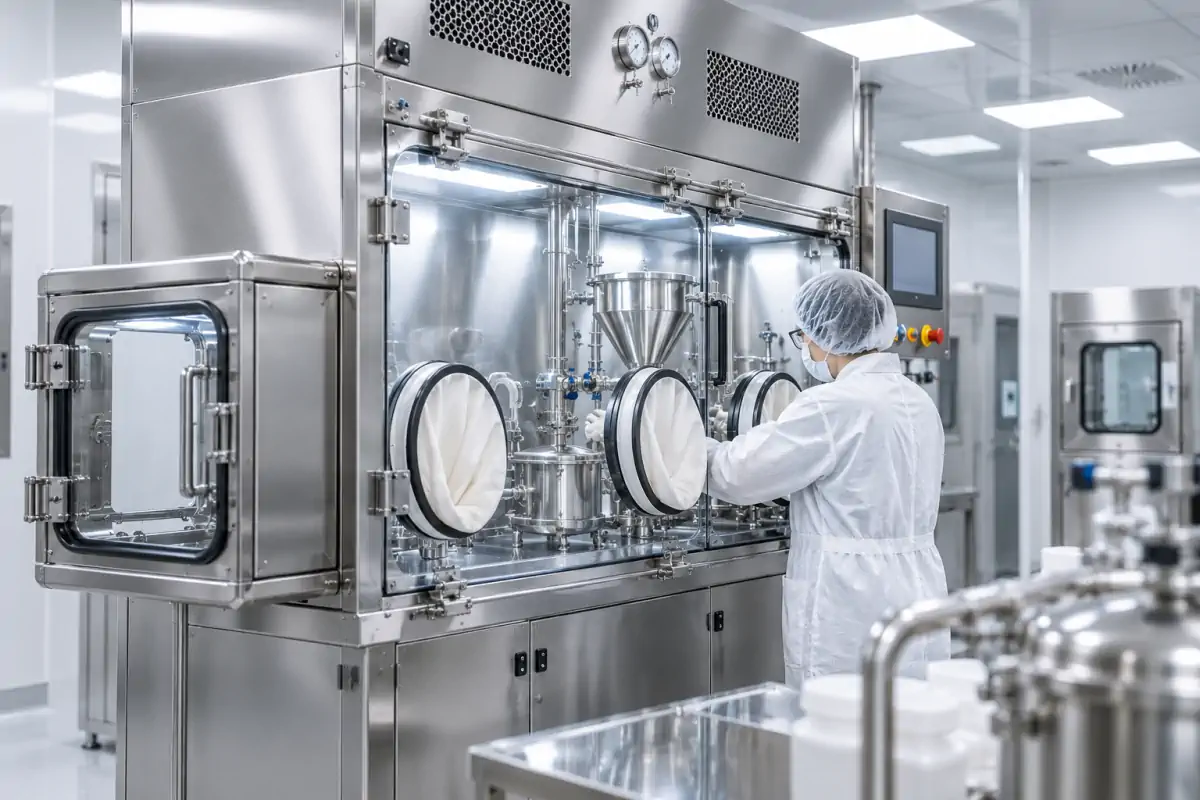
A complete pharmaceutical chamber may contain many subsystems that go beyond its metal structure. Depending on the design, these may include filtration systems, control systems, sensors, equipment and components responsible for carrying out the technological process.
Requirements for these systems should be established as part of the complete equipment design and in accordance with the end user’s needs. Manufacturing an enclosure should not be confused with selecting or validating all the equipment installed within it.
Similarly, equipment qualification and confirmation of operational performance depend on the responsibilities defined for the overall project. Activities such as FAT, SAT and DQ/IQ/OQ/PQ qualification are not automatically included in the manufacture of metal components.
For this reason, the responsibilities of each party should be clearly defined when the order is placed. This helps distinguish metal fabrication from complete equipment design, procurement of other components, system integration and qualification.
A clearly defined scope of work improves cooperation, reduces the risk of misunderstandings and makes acceptance criteria for the finished components easier to establish.
What Should You Consider When Outsourcing Pharmaceutical Chamber Components?
When selecting a metal fabrication supplier, consider more than price and delivery time. The supplier’s ability to manufacture components in accordance with technical documentation is also important.
Before placing an order, consider the following:
1. Experience in metal fabrication
The supplier should have manufacturing methods suitable for the materials, geometry and requirements of the project.
2. Production capabilities
The scope of work should be matched to the available machinery and the supplier’s ability to complete the required manufacturing stages.
3. Working from technical documentation
Confirm which drawings, specifications and requirements will be used for manufacturing and who is responsible for approving any changes.
4. Quality control
Inspection should reflect the requirements of the order. It is worth specifying which dimensions, joints and surface characteristics must be checked.
5. A clear division of responsibilities
Distinguish metal structure manufacturing from complete equipment design, the selection of other components, system integration and qualification of the finished solution.
A clearly defined scope makes it easier to prepare a quotation, plan production and accept the finished components.
Manufacturing Pharmaceutical Chamber Components at GMM INOX
GMM INOX carries out metal fabrication and manufactures components based on technical documentation. For pharmaceutical chamber projects, the agreed scope may include the production of metal structures, enclosures and other metal parts.
The manufacturing process depends on the documentation supplied by the customer, the material specifications and the scope agreed for the individual order. Each project is assessed separately because pharmaceutical chambers can differ significantly in dimensions, geometry and structural design.
Depending on the project requirements, manufacturing processes may include laser cutting and welding. The choice of manufacturing method depends on the technical documentation and the available production capabilities.
If you are looking for a supplier of metal components for pharmaceutical equipment, visit the GMM INOX website to learn more about the company and its manufacturing capabilities. Before work begins, it is worth agreeing on the documentation, scope of responsibility, quality requirements and acceptance criteria for the finished parts.
Summary
GMP requirements are important in the pharmaceutical industry, but their application must be assessed in relation to the function of a particular device and the process in which it will be used.
For metal structures and enclosures used in pharmaceutical chambers, key considerations include compliance with technical documentation, appropriate material processing, joint quality and inspection of components within the agreed scope.
Manufacturing metal parts is one stage in producing complete equipment. It does not replace the design of technological systems, selection of equipment, automation integration or qualification of the complete chamber.
Clearly defined requirements and responsibilities at the beginning of a project help ensure that the manufactured components meet the design specifications and support an efficient production process.
Looking for metal structures or enclosures manufactured to technical drawings? Contact GMM INOX to discuss the scope of work, materials and manufacturing requirements.

